Long-distance sailors tend to be some of the most demanding marine engine owners in the world.
Not because they are difficult to please.
Because they have learned sometimes the hard way, that reliability offshore is not a luxury, it is a necessity.
When you’re entering a crowded marina after a three-day passage, navigating a narrow channel with strong currents, or dealing with unexpected weather conditions hundreds of miles from shore, your engine suddenly becomes one of the most important systems onboard.
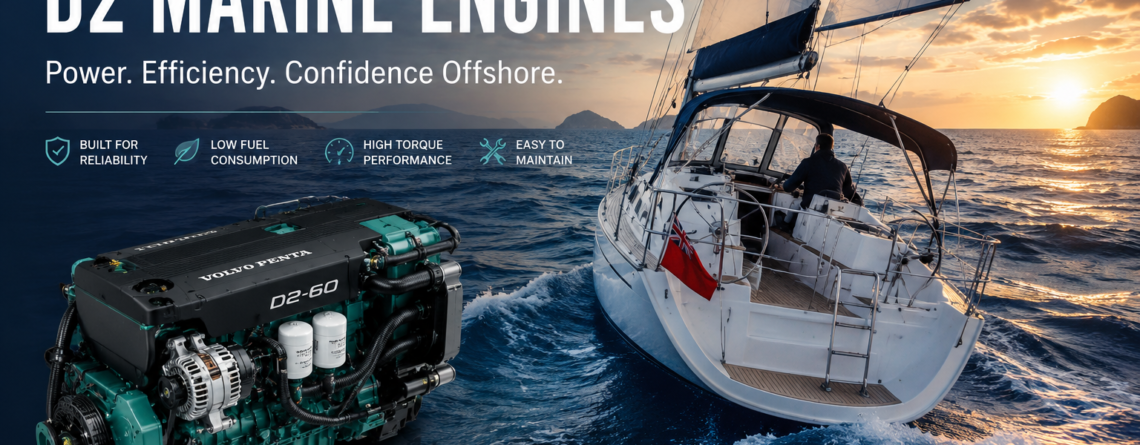
That is exactly why so many experienced sailors continue choosing Volvo Penta D2 marine engines.
At Rong Marine, we regularly work with sailboat owners, catamaran operators, cruising couples, charter companies, and offshore adventurers searching for dependable propulsion solutions. One thing we consistently hear from experienced cruisers is simple:
“I don’t need the biggest engine. I need the engine I can trust.”
That mindset perfectly describes the popularity of the Volvo Penta D2 series.
Whether you’re planning coastal cruising, bluewater passages, liveaboard adventures, or a complete sailboat repower project, the D2 platform has become one of the most respected choices in the sailing world.
In this guide, we’ll explore:
Why long-distance sailors trust the D2 platform
The differences between the Volvo Penta D2-40, D2-50, D2-60, and D2-75 marine diesel engines
Saildrive compatibility
Fuel efficiency
Offshore reliability
Catamaran applications
Repower opportunities
And how to determine whether a D2 engine is right for your vessel
That perspective perfectly captures why the D2 series continues to be a favorite among serious sailors.
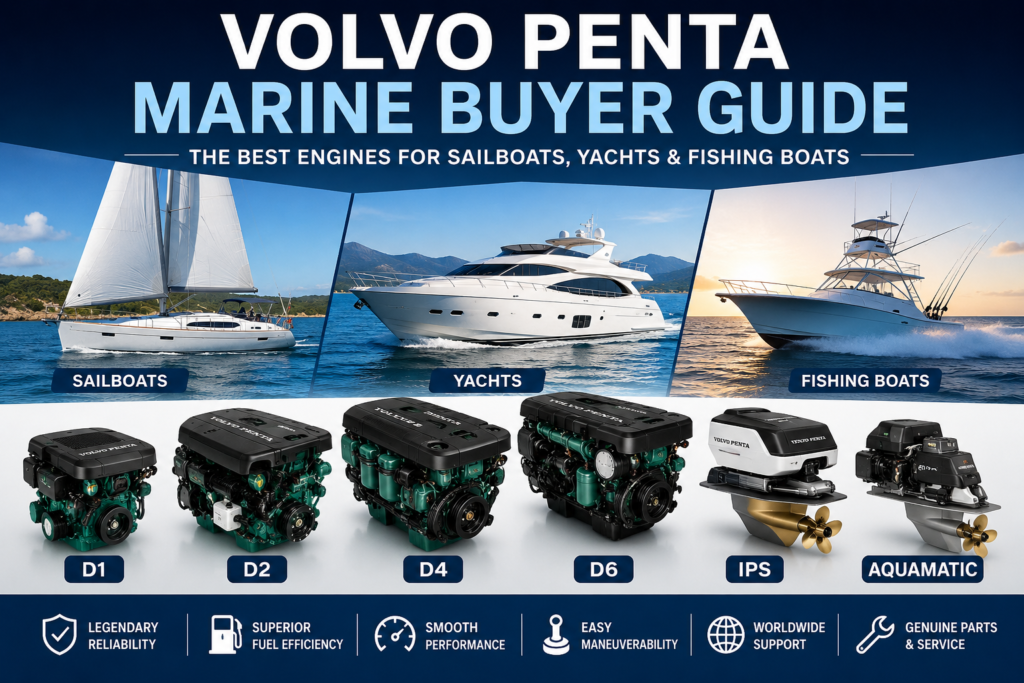
Volvo Penta Marine Buyer Guide
What Long-Distance Cruisers Need From a Marine Diesel Engine
After helping customers with sailboat propulsion projects for years, we’ve noticed that long-distance sailors typically prioritize five things:
Reliability
Offshore reliability remains the single most important factor.
Nobody wants to troubleshoot engine problems during a weather window or while entering an unfamiliar harbor.
Fuel Efficiency
Fuel capacity on sailboats is often limited.
A fuel-efficient engine provides:
longer cruising range
greater flexibility
lower operating costs
This is one reason Volvo Penta D2 marine engines remain so attractive for cruising applications.
Ease of Maintenance
Offshore sailors appreciate systems that are straightforward to inspect and maintain.
Routine service should not require dismantling half the boat.
Global Parts Availability
One major advantage of choosing Volvo Penta marine engines is the widespread availability of parts and service support around the world.
For sailors planning international cruising, this matters enormously.
Comfortable Operation
Noise and vibration become increasingly noticeable during long passages.
The D2 platform is known for delivering smoother, quieter operation than many older-generation marine diesel engines.
Understanding the Volvo Penta D2 Marine Engine Range
The Volvo Penta D2 family consists of four primary models:
Volvo Penta D2-40
Volvo Penta D2-50
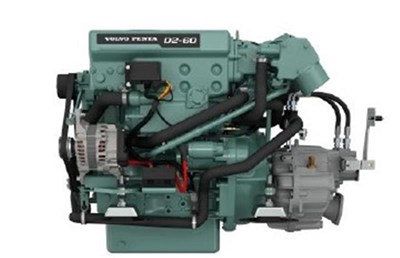
Volvo Penta D2-60
Volvo Penta D2-75
Each engine serves a different purpose, but all share the same core philosophy:
Reliable offshore performance in a compact, fuel-efficient package.
Volvo Penta D2-40
The Volvo Penta D2-40 remains one of the most popular choices for cruising sailboats.
This engine is commonly found in:
cruising monohulls
performance sailboats
coastal cruising yachts
charter vessels
The D2-40 offers an excellent balance between:
fuel economy
compact installation
dependable power delivery
For many sailboat owners, it represents the ideal entry point into the D2 family.
One reason the Volvo Penta D2-40 is so popular is because it provides enough power for most coastal and moderate offshore cruising scenarios without adding unnecessary weight.
Many sailors upgrading from older engines immediately notice:
smoother starts
reduced vibration
improved fuel consumption
quieter operation
Volvo Penta D2-40 Marine Diesel Engines
Volvo Penta D2-50
The Volvo Penta D2-50 is often considered the sweet spot within the D2 lineup.
It provides additional power while maintaining the fuel efficiency and compact dimensions that sailors appreciate.
Common applications include:
larger cruising sailboats
offshore cruising yachts
performance cruising vessels
long-distance passagemakers
At Rong Marine, many customers planning offshore passages are particularly interested in the D2-50 because it provides a noticeable increase in power without moving into significantly larger engine categories.
For many sailors, the D2-50 delivers the perfect balance between:
cruising comfort
offshore capability
fuel efficiency
installation flexibility
Volvo Penta D2-50 Marine Diesel Engines
Volvo Penta D2-60
The Volvo Penta D2-60 is where things begin to shift toward more serious offshore applications.
This engine is frequently selected for:
larger sailboats
bluewater cruisers
performance cruising yachts
cruising catamarans
Owners often choose the D2-60 because it provides greater torque and improved performance under load.
This becomes particularly valuable when:
battling strong currents
maneuvering in difficult conditions
carrying cruising gear for extended voyages
operating in heavy weather
The additional torque gives many sailors increased confidence during offshore operations.
And confidence offshore is difficult to put a price on.
“When should I choose a D1, and when should I upgrade to a D2?”
The answer depends largely on:
vessel size
displacement
cruising goals
offshore ambitions
Generally speaking:
The D1 Series Is Best For:
smaller sailboats
coastal cruising
auxiliary propulsion
limited engine space
The D2 Series Is Best For:
offshore cruising
larger sailboats
catamarans
long-distance passagemaking
heavier displacement vessels
The biggest difference is torque.
While the D1 series remains excellent for smaller sailboats, the D2 platform provides the additional torque and power many offshore sailors eventually need.
That is one reason Volvo Penta D2 marine engines continue gaining popularity among serious cruising sailors.
Why Catamaran Owners Love Volvo Penta D2 Engines
If there is one segment where the Volvo Penta D2 marine engine has developed an exceptionally strong reputation, it is the cruising catamaran market.
At Rong Marine, many catamaran owners initially contact us with concerns about:
fuel efficiency
engine reliability
maneuverability
maintenance accessibility
long-term cruising costs
And for good reason.
Catamarans are often used differently than monohulls.
Many owners:
live aboard full-time
cruise internationally
spend extended periods offshore
operate in remote locations
That means propulsion reliability becomes incredibly important.
The Volvo Penta D2-50, D2-60, and D2-75 are particularly popular among catamaran owners because they provide:
For twin-engine installations, the D2 platform offers a combination of efficiency and maneuverability that many catamaran operators appreciate.
One customer recently upgrading a cruising catamaran explained:
“The biggest difference wasn’t speed. It was confidence when docking and maneuvering in tight marinas.”
That type of feedback is common.
Popular Catamaran Applications for Volvo Penta D2 Engines
The D2 platform is commonly used in:
Cruising Catamarans
Designed for long-distance comfort and offshore capability.
Charter Catamarans
Where reliability and operating efficiency directly affect profitability.
Bluewater Catamarans
Where fuel economy and global service support become critical considerations.
Liveaboard Catamarans
Where daily engine use often exceeds what recreational sailors experience.
The versatility of the D2 platform is one reason it remains such a popular choice across multiple sailing segments.
Volvo Penta Saildrive Systems and the D2 Platform
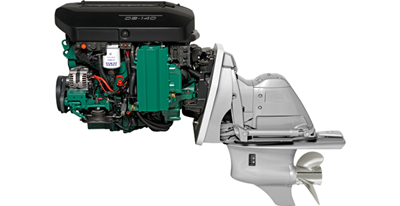
One of the biggest reasons sailors choose the D2 family is compatibility with Volvo Penta saildrive systems.
For many sailboats and catamarans, saildrives offer several advantages over traditional shaft-drive arrangements.
Benefits of Volvo Penta Saildrive Systems
Reduced Vibration
Saildrives often produce smoother operation because of their alignment and installation design.
Improved Space Efficiency
Engine rooms on sailboats are rarely spacious.
A saildrive configuration often allows better use of limited onboard space.
Easier Installation
Many modern sailboat designs are optimized around saildrive propulsion.
Improved Maneuverability
Low-speed handling can feel more predictable in marina environments.
For sailors regularly docking in crowded harbors, that benefit is significant.
Common Saildrive Considerations During Repower Projects
One of the biggest mistakes we see during repower consultations is owners focusing entirely on engine horsepower while overlooking:
saildrive condition
transmission compatibility
propeller selection
installation geometry
vessel displacement
In reality, proper propulsion matching often has a greater impact on performance than simply selecting a larger engine.
A well-matched Volvo Penta D2 saildrive installation will often outperform a poorly configured higher-horsepower alternative.
That is why we always encourage customers to evaluate the complete propulsion package rather than focusing solely on the engine itself.
Fuel Efficiency During Long-Distance Cruising
Ask any experienced sailor about offshore cruising, and fuel eventually becomes part of the conversation.
Not because sailors expect to motor everywhere.
Because weather rarely cooperates with our plans.
Extended periods of low wind, strong currents, adverse weather systems, and harbor approaches often require substantial engine operation.
That is why fuel efficiency remains one of the strongest selling points of Volvo Penta D2 marine engines.
Why Fuel Economy Matters Offshore
Many cruising sailboats carry limited fuel reserves.
Additional efficiency can mean:
greater cruising range
increased route flexibility
reduced operating costs
improved safety margins
During offshore passages, those benefits become extremely valuable.
One long-distance cruising couple recently told us:
“The less fuel we burn, the more options we have.”
That simple statement captures why efficient marine diesel propulsion is so important.
Real-World Fuel Consumption Advantages
Owners upgrading from older mechanical diesel engines frequently report:
lower fuel consumption
smoother operation
quieter cruising
reduced exhaust smoke
improved overall comfort
The improvements may not seem dramatic during short marina runs.
However, over hundreds or thousands of cruising miles, the differences become very noticeable.
Especially for sailors planning:
coastal expeditions
island hopping
offshore passages
extended liveaboard cruising
Offshore Reliability: What We See at Rong Marine
Over the years, we’ve helped customers operating in:
the Mediterranean
the Caribbean
Northern Europe
the South Pacific
Southeast Asia
North America
Despite the different cruising grounds, one thing remains remarkably consistent:
Sailors want engines they can trust.
The Volvo Penta D2 marine engine continues earning that trust because it focuses on fundamentals.
Not marketing.
Not gimmicks.
Fundamentals.
Those fundamentals include:
dependable starting
efficient fuel consumption
manageable maintenance
strong low-end torque
global service support
What Long-Distance Sailors Tell Us
When discussing the D2 platform with experienced sailors, several themes appear repeatedly:
Reliability Offshore
Owners appreciate predictable performance in changing conditions.
Comfortable Operation
Less vibration and smoother running improve life onboard.
Parts Availability
Access to support matters when cruising internationally.
Resale Value
Well-maintained Volvo Penta-powered vessels often remain attractive to future buyers.
These practical advantages help explain why so many sailors continue choosing the D2 platform year after year.
Volvo Penta D2 Repower Projects
One of the fastest-growing areas of demand we see involves sailboat repower engines.
Many cruising sailboats still operate with diesel engines that are:
decades old
increasingly expensive to maintain
difficult to source parts for
less efficient than modern alternatives
At some point, repairing an aging engine stops making financial sense.
That is often when sailors begin evaluating Volvo Penta D2 marine engines.
Signs It May Be Time to Repower
Common indicators include:
hard starting
excessive smoke
rising repair costs
cooling system issues
poor fuel economy
declining reliability
One sailor recently described his decision perfectly:
“I realized I was spending more time worrying about the engine than enjoying the boat.”
That realization frequently drives repower decisions.
Why the D2 Is One of the Most Popular Sailboat Repower Engines
The D2 platform offers several advantages for repower projects:
compact installation dimensions
modern efficiency
strong support network
saildrive compatibility
proven reliability
Many owners discover that upgrading to a modern Volvo Penta D2 marine engine transforms the overall boating experience.
The boat feels newer.
Quieter.
More dependable.
And significantly more enjoyable.
Installation Considerations During Repowering
Successful repower projects involve more than simply replacing an engine.
Important factors include:
engine bed configuration
saildrive condition
propeller matching
cooling system integration
electrical systems
fuel system compatibility
At Rong Marine, we encourage customers to view repowering as a complete propulsion upgrade rather than an engine replacement alone.
That approach often produces the best long-term results.
Maintenance and Long-Term Ownership
One of the reasons Volvo Penta D2 marine engines have become so popular among long-distance sailors is that they are designed with long-term ownership in mind.
Experienced cruisers understand something that many first-time boat owners eventually learn:
Reliability offshore is usually the result of consistent maintenance, not luck.
The good news is that the D2 platform has earned a reputation for being relatively straightforward to service and maintain.
Routine maintenance typically includes:
engine oil changes
fuel filter replacement
impeller inspections
cooling system checks
belt inspections
saildrive servicing
anode replacement
None of these tasks are particularly complicated, but they become critically important during extended cruising.
Why Preventative Maintenance Matters Offshore
At Rong Marine, we often tell customers:
Emergency repairs offshore are almost always more expensive than preventative maintenance at the dock.
We’ve seen sailors spend thousands solving problems that could have been prevented with routine servicing.
Simple habits like:
monitoring engine temperatures
inspecting fuel systems
checking impellers
maintaining clean fuel tanks
servicing saildrives regularly
often determine whether an engine delivers decades of reliable service.
The Volvo Penta D2 marine engine platform rewards owners who maintain it properly.
Genuine Volvo Penta Parts vs Aftermarket Alternatives
Every sailor eventually faces the same decision:
Should I use genuine parts or aftermarket alternatives?
While aftermarket components may appear attractive initially, experienced sailors often prefer genuine Volvo Penta parts because:
fitment is predictable
quality control is consistent
warranty support is clearer
reliability expectations are known
This becomes especially important when cruising far from major service centers.
Saving a small amount on parts rarely feels worthwhile if the component fails offshore.
Common Mistakes Sailboat Owners Make When Choosing a Marine Engine
Over the years, we’ve helped customers evaluate everything from compact auxiliary diesels to complete catamaran propulsion packages.
And certain mistakes appear repeatedly.
Focusing Only on Horsepower
Horsepower matters.
But horsepower alone does not determine whether an engine is appropriate for a vessel.
Many buyers overlook:
torque characteristics
vessel displacement
cruising goals
propeller matching
fuel efficiency
A properly matched Volvo Penta D2 marine engine often outperforms larger engines that were selected without considering the complete propulsion system.
Ignoring Future Cruising Plans
One of the most common mistakes involves planning for current usage instead of future usage.
A sailor who currently enjoys weekend coastal cruising may later decide to:
cross oceans
cruise internationally
live aboard full-time
purchase a larger vessel
Planning for those future goals can prevent expensive upgrades later.
Overlooking Saildrive Compatibility
During repower projects, saildrive condition often receives less attention than it deserves.
However, saildrive compatibility can significantly affect:
reliability
installation costs
propulsion efficiency
long-term ownership satisfaction
This is one reason we always recommend evaluating the complete propulsion package.
Volvo Penta D2 vs Yanmar: A Common Buyer Question
One of the most common comparisons we hear at Rong Marine is:
Volvo Penta D2 vs Yanmar
Both manufacturers produce highly respected marine diesel engines.
Both have strong global reputations.
Both are trusted by sailors around the world.
So which is better?
The honest answer is:
It depends on the application.
Volvo Penta Advantages
Many sailors choose Volvo Penta because of:
excellent saildrive integration
smooth operation
strong dealer support
proven offshore reliability
extensive propulsion ecosystem
The D2 platform in particular is highly regarded among cruising sailors.
Volvo Penta D2-50 is often considered the all-around favorite
Volvo Penta D2-60 works well for larger offshore vessels
Volvo Penta D2-75 is ideal for heavier cruising yachts and catamarans
Are Volvo Penta D2 Engines Fuel Efficient?
Yes.
One reason long-distance sailors continue choosing Volvo Penta D2 marine engines is their ability to deliver strong performance while maintaining excellent fuel economy.
Can D2 Engines Be Paired With Saildrives?
Absolutely.
Many D2 installations utilize Volvo Penta saildrive systems, particularly in cruising sailboats and catamarans.
Are Volvo Penta D2 Engines Good for Catamarans?
Yes.
The D2 platform is commonly used in cruising catamarans because of its balance between:
reliability
efficiency
compact dimensions
maneuverability
Are D2 Engines Suitable for Repower Projects?
Very much so.
The D2 family remains one of the most popular sailboat repower engines available today.
Why Sailors Choose Rong Marine
At Rong Marine, we work with boat owners, sailors, yacht operators, and marine professionals around the world.
Our goal is not simply to sell engines.
Our goal is to help customers choose propulsion systems that genuinely fit their vessel and cruising plans.
That means discussing:
vessel displacement
cruising range
saildrive compatibility
offshore goals
maintenance expectations
repower opportunities
Because choosing the right marine engine is a long-term decision.
And getting it right the first time usually saves both money and frustration.
Whether you’re researching Volvo Penta D2 marine engines, comparing propulsion options, or planning a complete sailboat repower project, our team can help guide the process.
Request a Quote for Volvo Penta D2 Marine Engines
If you’re researching genuine Volvo Penta D2 marine engines, evaluating Volvo Penta D2-40, D2-50, D2-60, or D2-75 models, or looking for reliable Volvo Penta engines for sale, Rong Marine can help.
We provide assistance with:
propulsion recommendations
saildrive matching
repower consultations
offshore cruising configurations
catamaran propulsion packages
worldwide export support
Contact Rong Marine today to discuss your project and receive expert guidance on selecting the right Volvo Penta D2 engine for your vessel.
For many long-distance sailors, choosing the right engine is ultimately about confidence.
And that confidence is exactly why so many continue choosing the Volvo Penta D2 marine engine platform year after year.
When you're offshore, everything changes.At the marina, engine specifications look impressive on paper. Horsepower figures sound exciting. Every manufacturer claims... read more
The marine engine market is crowded with specifications, horsepower ratings, marketing promises, and online opinions. But after years of helping... read more
When most sailboat owners start researching a replacement saildrive, they usually focus on one question:"Which one is better—the Volvo Penta... read more
When choosing a marine engine, many boat owners immediately focus on horsepower.They ask:"How much power does this engine produce?""Will it... read more
When boat owners begin researching serious offshore diesel power, they usually start with horsepower.Then they compare fuel consumption.Then they compare... read more
When most people think about marine engines, they immediately imagine massive offshore diesel platforms powering luxury yachts or high-performance fishing... read more





Comments (2)
[…] Volvo Penta D1 Marine Engines […]
[…] boat was fitted with a Volvo Penta D2 Marine Engine and a 130S […]