

When boat owners begin searching for a new marine engine, one of the first things they usually ask is:
“How much horsepower do I need?”
It is a natural question. Horsepower is easy to understand. Bigger numbers often feel like better performance.
But after years of helping customers select, replace, and upgrade Volvo Penta marine engines, we have learned that horsepower is only one part of the decision.
The real question every boat owner should ask is:
“Which engine is the right match for my boat, my cruising style, and my long-term ownership goals?”
At Rong Marine, we regularly speak with sailors who are replacing older engines in trusted cruising yachts. Many of them arrive believing they need the biggest engine they can fit.
However, after looking at their vessel size, displacement, propeller setup, sailing habits, and intended use, they often discover that a compact 3-cylinder Volvo Penta marine engine is exactly what their boat needs.
This is where engines like the Volvo Penta D1 series continue to stand out.
These compact Volvo Penta diesel engines have earned a reputation among sailors worldwide for delivering the combination that matters most:
- Reliable starting
- Low fuel consumption
- Smooth operation
- Easy maintenance
- Long service life
- Excellent compatibility with modern sailboat propulsion systems
A smaller engine does not always mean a compromise.
In many sailing applications, the right compact engine can actually provide a better ownership experience than an oversized alternative.
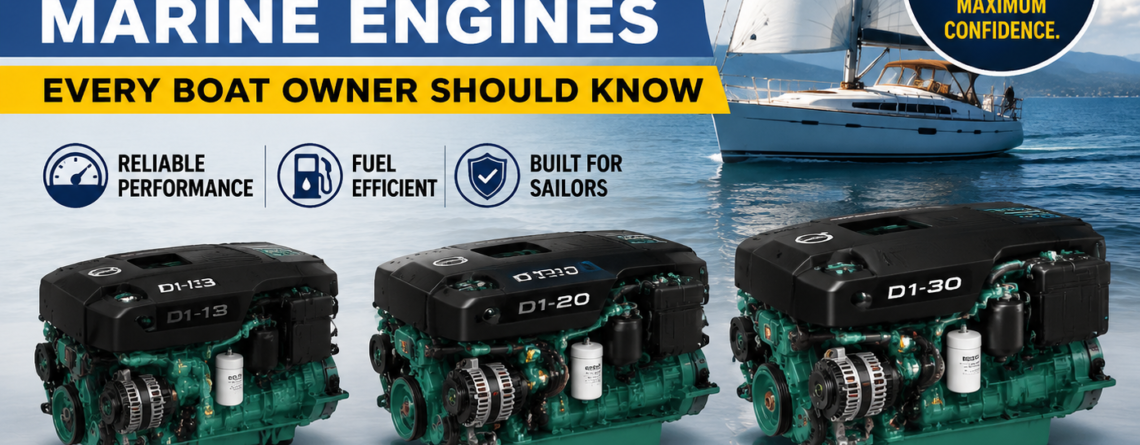
In this guide, we will explore the best 3-cylinder Volvo Penta marine engines, including the Volvo Penta D1-13, Volvo Penta D1-20, and Volvo Penta D1-30, and explain why these engines continue to be trusted by cruising sailors, yacht builders, and boat owners around the world.
Why 3-Cylinder Volvo Penta Marine Engines Are So Popular
There is a reason compact diesel engines remain extremely popular in the sailing industry.
Unlike powerboats, where speed and horsepower are often the primary focus, sailboats have very different requirements.
A cruising sailor usually values:
- Reliability during long passages
- Fuel efficiency
- Quiet operation
- Low maintenance requirements
- Compact installation
- Dependable auxiliary power when the wind disappears
This is where 3-cylinder marine engines excel.
A well-designed three-cylinder diesel engine provides enough power for many sailing yachts while maintaining the simplicity and efficiency that experienced boat owners appreciate.
The Advantage of a Compact Marine Diesel Engine
One of the biggest advantages of a 3-cylinder Volvo Penta marine engine is its compact size.
Many sailboats have limited engine compartment space. During a repower project, owners are not only choosing an engine—they are trying to fit a complete propulsion solution into an existing vessel.
A compact engine can make installation easier by providing:
- Better access for maintenance
- Improved weight distribution
- Easier servicing
- More flexibility during installation
At Rong Marine, this is something we consider carefully during every marine engine repower project.
A powerful engine that does not properly fit the boat is not necessarily an upgrade.
The best engine is the one that integrates correctly with the entire propulsion system.
Why Boat Owners Trust Volvo Penta D1 Series Engines
The Volvo Penta D1 marine engines are among the most recognized compact diesel engines in the sailing world.
Designed specifically for smaller sailing yachts and cruising applications, the D1 series focuses on efficiency, reliability, and ease of ownership.
Unlike some automotive-based marine conversions, Volvo Penta designed the D1 series specifically around marine requirements.
That means these engines are built to handle:
- Continuous operation
- Marine environments
- Saltwater exposure
- Variable loads
- Long periods at cruising RPM
This marine-focused engineering is one reason why many sailors continue choosing Volvo Penta sailboat engines for new installations and repower projects. Volvo Penta D1-30 Marine Diesel Engines
What Makes the Volvo Penta D1 Series Different?
The D1 series may be compact, but it includes many features that experienced sailors value.
Key advantages include:
Reliable Diesel Performance
Diesel engines are known for durability, torque, and efficiency.
The Volvo Penta D1 engines deliver dependable low-end torque, which is especially valuable when maneuvering a sailboat in harbors, marinas, and challenging weather conditions.
Excellent Fuel Efficiency
For many cruising sailors, fuel range matters.
A sailboat may spend days or weeks away from fuel docks, especially during coastal cruising or offshore passages.
A fuel-efficient engine helps owners:
- Extend cruising range
- Reduce operating costs
- Carry less fuel weight
- Improve overall efficiency
This is why fuel-efficient marine engines like the D1 series remain popular among long-distance sailors.
Simple Maintenance
One of the reasons sailors appreciate the D1 series is its straightforward design.
Boat owners want engines that can be serviced easily.
Routine maintenance includes:
- Oil changes
- Fuel filter replacement
- Cooling system checks
- Belt inspections
- General engine inspections
The easier an engine is to maintain, the more confidence owners have when travelling far from home.
Volvo Penta D1-13: The Compact Engine Trusted by Sailors Worldwide
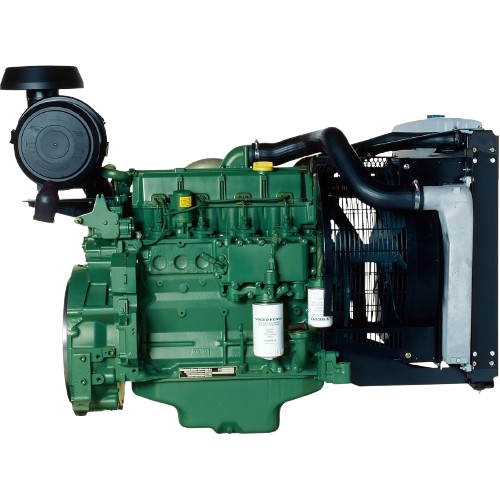
The Volvo Penta D1-13 represents the entry point of the D1 family, but that does not mean it lacks capability.
This engine was developed for smaller sailing yachts where reliability, efficiency, and compact installation are priorities.
For owners of lightweight cruising boats, the D1-13 provides a dependable solution without adding unnecessary weight or complexity.
Ideal Applications for the Volvo Penta D1-13
The Volvo Penta D1-13 marine engine is commonly found in:
- Small cruising sailboats
- Coastal sailing yachts
- Daysailers
- Compact auxiliary-powered vessels
It is especially suitable for sailors who use their engines primarily for:
- Leaving and entering harbors
- Charging batteries
- Short-distance motoring
- Handling calm-weather situations
Why Owners Choose the Volvo Penta D1-13
When customers ask us about the D1-13, the conversation usually comes down to one word:
Balance.
The engine provides:
Low Fuel Consumption
Small sailing yachts benefit greatly from efficient propulsion because they typically do not require large amounts of horsepower.
Compact Installation
The smaller physical footprint makes it easier to install in boats where space is limited.
Dependable Operation
Volvo Penta’s reputation for marine reliability gives owners confidence, especially when cruising away from major service locations.
A Real-World Example From Rong Marine
A few years ago, a customer approached us with a classic sailing yacht that had an aging auxiliary engine.
His first concern was finding the most powerful replacement possible.
He believed more horsepower would automatically make the boat better.
After reviewing the vessel, we discovered something important.
The boat was lightweight, displacement was moderate, and the owner primarily cruised coastal waters.
Installing a larger engine would have added unnecessary weight and increased costs without creating meaningful benefits.
Instead, we recommended a properly matched compact Volvo Penta solution.
The result?
The owner gained:
- Easier maintenance
- Better fuel efficiency
- Reliable starting
- A propulsion system matched perfectly to the boat
This is a lesson we share with many customers:
The best marine engine is not always the largest one.
It is the one designed for your actual boating needs.
Volvo Penta D1-13 and Saildrive Compatibility
One important consideration when selecting a compact Volvo Penta marine engine is the propulsion system it will work with.
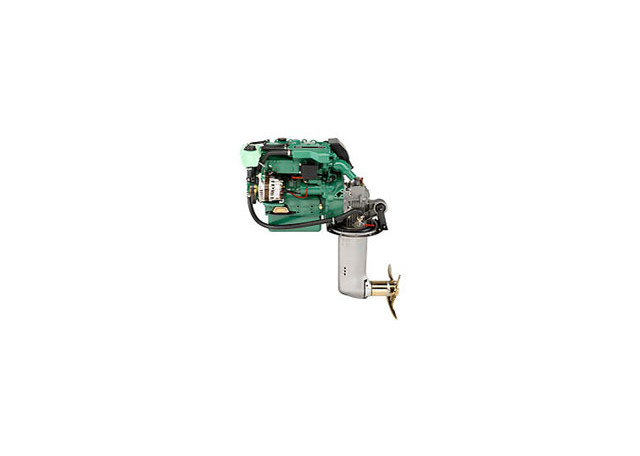
Many D1 installations are paired with proven Volvo Penta Saildrive Systems, offering sailors a complete propulsion package.
Depending on vessel configuration, owners may use systems such as:
- Volvo Penta 130S Saildrive
- Other compatible Volvo Penta saildrive configurations
Correct matching between:
- Engine
- Saildrive
- Gear ratio
- Propeller
is essential for achieving proper performance.
A well-matched package delivers:
- Smooth acceleration
- Efficient cruising
- Reduced vibration
- Improved reliability
This is why professional guidance is valuable during a repower project.
Why Smaller Does Not Mean Weaker
One of the biggest misconceptions about compact marine engines is that they are not suitable for serious cruising.
Experienced sailors know this is not true.
A properly matched 3-cylinder Volvo Penta marine engine can provide years of reliable service when installed in the right vessel.
The goal is not maximum power.
The goal is dependable propulsion that supports the way you actually use your boat.
For many sailors, especially those cruising efficiently rather than racing, compact engines provide the perfect balance between performance and practicality.
Volvo Penta D1-20: The Perfect Balance Between Size and Power
When sailors move beyond smaller cruising yachts and begin looking for more capability, the Volvo Penta D1-20 marine engine is often one of the first models we discuss at Rong Marine.
The reason is simple.
It represents a very practical balance between compact installation and dependable cruising performance.
Many boat owners do not need a large, high-output engine. They need an engine that starts every time, operates efficiently for long periods, and provides enough power to handle their vessel confidently in different conditions.
That is exactly where the D1-20 fits.
The Volvo Penta D1-20 is one of the most popular 3-cylinder Volvo Penta marine engines because it delivers additional torque and capability compared with smaller engines while maintaining the compact design and efficiency that sailors appreciate.
Why the Volvo Penta D1-20 Is Popular Among Cruising Sailors
A common mistake we see during repower discussions is choosing an engine based only on maximum horsepower.
Experienced sailors understand that cruising performance depends on many factors:
- Boat displacement
- Hull design
- Propeller selection
- Saildrive configuration
- Cruising speed
- Operating conditions
The Volvo Penta D1-20 diesel engine works well because it provides enough power for many mid-sized sailing yachts without becoming unnecessarily large or complicated.
For many owners, it is the “sweet spot” in the D1 family.
Ideal Applications for the Volvo Penta D1-20
The Volvo Penta D1-20 marine engine is commonly installed in:
- Mid-sized cruising sailboats
- Family sailing yachts
- Coastal cruising vessels
- Performance cruisers
- Auxiliary-powered sailing boats
It is particularly popular among owners who want more confidence when:
- Motoring against currents
- Leaving crowded marinas
- Handling heavier cruising loads
- Operating in changing weather conditions
Advantages of the Volvo Penta D1-20
The D1-20 offers several advantages that make it one of the most trusted Volvo Penta sailboat engines in its category.
Stronger Torque Delivery
For sailboats, torque is often more important than peak horsepower.
A cruising yacht needs reliable pulling power at lower engine speeds, especially when maneuvering or pushing through challenging conditions.
The D1-20 provides the torque needed for comfortable cruising without sacrificing efficiency.
Efficient Long-Distance Operation
Many cruising sailors spend hundreds of engine hours each season.
Whether charging batteries, navigating calm periods, or entering and leaving ports, efficiency becomes extremely important.
The fuel-efficient marine engine design of the D1-20 helps owners reduce fuel consumption while maintaining reliable performance.
Compact Installation Benefits
Although the D1-20 offers more capability than smaller engines, it maintains the compact characteristics that make the D1 series attractive.
This means owners benefit from:
- Easier access during servicing
- Practical installation
- Lower maintenance complexity
- Better engine compartment accessibility
For older sailboats undergoing a marine engine replacement, this compact design can be a significant advantage.
Volvo Penta D1-30: Maximum Capability From a 3-Cylinder Design
For sailors who need more performance while still preferring a compact three-cylinder platform, the Volvo Penta D1-30 marine engine is the top model in the D1 family.
The D1-30 demonstrates that a compact engine can still deliver impressive capability when properly engineered.
It is designed for owners who operate:
- Larger sailing yachts
- Heavier cruising boats
- Offshore-capable vessels
- Long-distance cruising platforms
Why Choose the Volvo Penta D1-30?
The main advantage of the D1-30 is its ability to provide additional power while maintaining the reliability and efficiency characteristics of the D1 series.
Owners appreciate:
- Increased torque
- Better performance under load
- Reliable offshore operation
- Compact three-cylinder design
- Lower complexity compared with larger engines
For sailors who regularly carry additional equipment, water, fuel, and cruising supplies, the D1-30 can provide the extra confidence needed during extended voyages. Volvo Penta D1 Engine Range – D1-13 | D1-20 | D1-30.
Real-World Example: Choosing the Right Engine for Offshore Cruising
At Rong Marine, we often work with customers preparing boats for longer passages.
One customer came to us after purchasing a used offshore cruising yacht.
His original plan was to install a much larger engine because he believed offshore sailing required maximum horsepower.
After reviewing his boat specifications, we looked at:
- Hull displacement
- Existing saildrive
- Cruising speed requirements
- Propeller size
- Typical passage conditions
The conclusion was different from what he expected.
A properly matched Volvo Penta D1-30 marine engine provided the performance he needed without adding unnecessary weight and complexity.
The owner later told us:
“The engine feels like it belongs in the boat. It does exactly what I need without wasting fuel.”
That is exactly the type of result proper engine selection should create.
Comparing the Best 3-Cylinder Volvo Penta Marine Engines
When comparing the Volvo Penta D1-13, D1-20, and D1-30, it is important to remember that each engine was designed for a different application.
Volvo Penta D1-13 Marine Diesel Engines
Best suited for:
- Smaller sailboats
- Lightweight cruising yachts
- Coastal sailing
Main strengths:
- Compact size
- Excellent fuel efficiency
- Simple maintenance
Volvo Penta D1-20 Marine Inboard Engines
Best suited for:
- Mid-sized cruising boats
- Family sailing yachts
- General-purpose cruising
Main strengths:
- Balanced performance
- Strong reliability
- Excellent versatility
Volvo Penta D1-30 Marine Inboard Engines
Best suited for:
- Larger cruising sailboats
- Heavier displacement vessels
- Offshore applications
Main strengths:
- Increased torque
- Better performance under load
- Greater cruising confidence
How to Choose the Right 3-Cylinder Volvo Penta Engine for Your Boat
One of the biggest advantages of working with an experienced Volvo Penta Marine Engine Dealer is understanding that every boat is different.
Two boats of the same length can require completely different engines depending on:
- Hull design
- Weight
- Sailing style
- Cruising environment
- Propeller configuration
At Rong Marine, we usually evaluate several factors before recommending an engine.
Consider Your Boat’s Displacement
A lightweight sailing yacht may perform perfectly with a D1-13 or D1-20.
A heavily equipped offshore cruiser may benefit from the additional capability of a D1-30.
More weight requires more consistent propulsion power, especially when:
- Battling currents
- Operating in rough conditions
- Carrying full cruising equipment
Consider Your Cruising Style
Ask yourself:
How do you actually use your boat?
A weekend sailor who mainly leaves the marina in good weather has different requirements from someone crossing oceans.
For example:
A coastal cruiser may prioritize:
- Efficiency
- Simplicity
- Lower operating costs
An offshore sailor may prioritize:
- Additional torque
- Reliability under load
- Long-distance confidence
Consider Saildrive Compatibility
The engine is only one part of the propulsion package.
A successful installation requires compatibility between:
- Engine
- Saildrive
- Gear ratio
- Propeller
Many Volvo Penta D1 marine engines are paired with reliable Volvo Penta Saildrive Systems to create efficient sailboat propulsion packages.
Related systems may include:
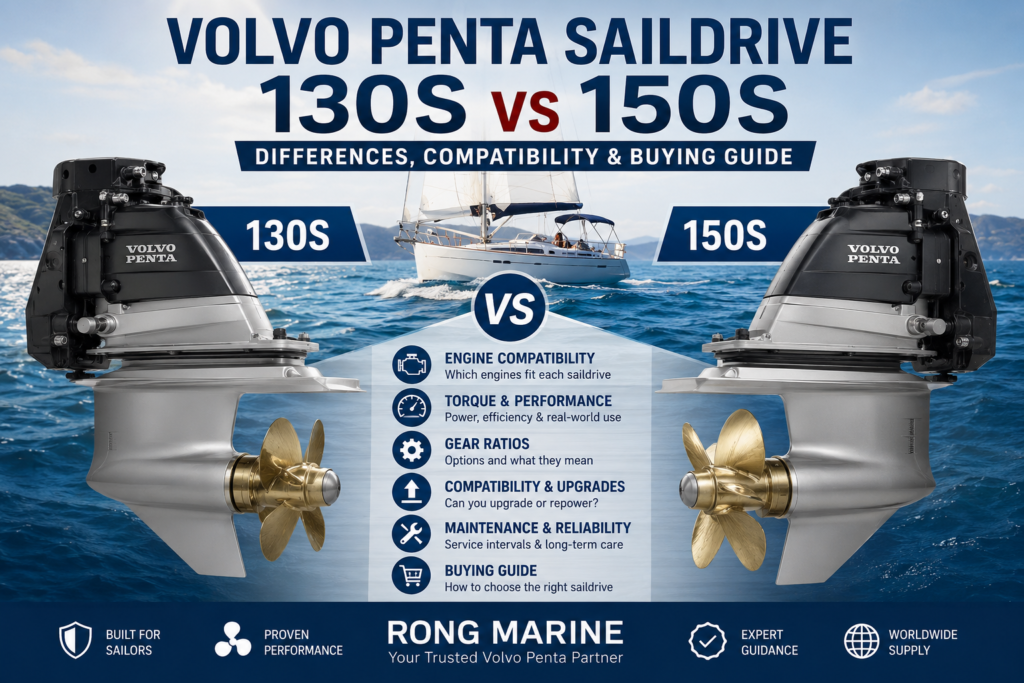
- Volvo Penta 130S Saildrive
- Volvo Penta 150S Saildrive
The correct combination ensures:
- Proper engine loading
- Efficient propulsion
- Smooth operation
- Reduced wear
Why Propeller Selection Matters
One area that is often overlooked is the propeller.
A perfectly matched engine and saildrive can still perform poorly with the wrong propeller.
Propeller selection affects:
- Acceleration
- Cruising RPM
- Fuel consumption
- Reverse performance
- Engine workload
At Rong Marine, we often remind customers:
The engine does not operate alone.
The engine, saildrive, and propeller must work together as one system.
Volvo Penta D1 Series vs Larger Marine Engines
A common question we receive is:
“Should I choose a larger engine instead?”
The answer depends on the boat.
The Volvo Penta D1 series is ideal for many sailing applications because it provides:
- Reliable propulsion
- Excellent efficiency
- Compact installation
- Simple ownership
However, larger engines such as the Volvo Penta D2 Marine Engines may be more appropriate for:
- Larger yachts
- Heavier vessels
- Higher power requirements
The goal is not choosing the biggest engine.
The goal is choosing the correct engine.
Why 3-Cylinder Volvo Penta Engines Remain Popular
After years of working with sailors, one thing becomes clear.
Boat owners value reliability above everything else.
They want an engine that:
- Starts when needed
- Uses fuel efficiently
- Is easy to maintain
- Provides confidence offshore
This is why 3-cylinder Volvo Penta marine engines continue to have such a strong reputation.
Their success comes from balance.
They are not designed to impress with unnecessary power numbers.
They are designed to deliver dependable performance where it matters most.
Maintenance, Ownership, and Long-Term Reliability of 3-Cylinder Volvo Penta Marine Engines
Choosing the right engine is only the beginning of boat ownership.
A marine engine is not like a car engine that operates for short daily trips and spends most of its life parked.
A boat engine lives in a much more demanding environment.
It faces:
- Saltwater exposure
- Humidity
- Long periods of inactivity
- Continuous operating loads
- Changing weather conditions
This is why experienced sailors understand that marine engine reliability is not only about the engine design—it is also about proper maintenance.
At Rong Marine, one of the biggest differences we notice between customers who enjoy decades of trouble-free operation and those who experience repeated problems is maintenance discipline.
A well-maintained Volvo Penta D1 marine engine can provide exceptional service life, dependable performance, and confidence during coastal cruising or offshore passages.
Volvo Penta D1 Series Maintenance Guide
The Volvo Penta D1-13, Volvo Penta D1-20, and Volvo Penta D1-30 are designed with simplicity in mind.
That simplicity is one of their biggest advantages.
Owners can perform many routine checks themselves, while professional servicing ensures long-term reliability.
Recommended Maintenance Areas
| Maintenance Item | Why It Matters | Recommended Attention |
|---|---|---|
| Engine Oil & Filter | Protects internal components and reduces wear | Regular service intervals |
| Fuel Filters | Prevents contamination and fuel system issues | Inspect and replace regularly |
| Cooling System | Prevents overheating and corrosion | Check before cruising season |
| Drive Belts | Ensures proper charging and cooling operation | Inspect for wear |
| Exhaust System | Prevents leaks and performance issues | Routine inspection |
| Air Intake | Supports efficient combustion | Keep clean |
| Saildrive Oil | Protects transmission components | Replace according to schedule |
| Anodes | Protects against corrosion | Inspect frequently in saltwater |
Why Preventative Maintenance Saves Money
A common mistake among boat owners is waiting until something fails before servicing the engine.
Marine repairs are often more expensive because access is limited and problems can affect multiple systems.
For example:
A small cooling issue may seem minor.
However, if ignored, it can lead to:
- Overheating
- Reduced engine life
- Expensive repairs
- Unexpected downtime during a voyage
Experienced sailors understand a simple rule:
Maintenance is cheaper than repairs.
This is one reason why many long-distance cruisers carefully maintain their Volvo Penta diesel engines before every major voyage.
The Importance of Genuine Volvo Penta Parts
When maintaining a premium marine engine, component quality matters.
At Rong Marine, we recommend using genuine Volvo Penta parts whenever possible, especially for critical engine and propulsion components.
These parts are designed specifically for Volvo Penta systems and provide:
- Correct fitment
- Proper material compatibility
- Reliable performance
- Long-term durability
Important components include:
- Fuel filters
- Oil filters
- Belts
- Gaskets
- Seals
- Saildrive components
- Cooling system parts
Using the correct parts helps protect the investment you have made in your propulsion system.
Repowering Your Sailboat With a 3-Cylinder Volvo Penta Engine
One of the most common applications we see at Rong Marine is sailboat repower projects.
Many sailing yachts built decades ago still have excellent hulls and interiors.
The only outdated component is the engine.
Instead of replacing the entire boat, many owners choose to install a modern Volvo Penta marine engine.
A successful repower can transform the sailing experience by improving:
- Reliability
- Fuel efficiency
- Starting performance
- Noise levels
- Maintenance access
- Overall confidence

When Should You Consider a Marine Engine Replacement?
A replacement may be worth considering when you experience:
| Problem | Possible Solution |
|---|---|
| Frequent breakdowns | Consider a modern engine upgrade |
| Difficult starting | Evaluate fuel and compression systems |
| Excessive smoke | Inspect engine condition |
| High fuel consumption | Check efficiency and wear |
| Limited spare parts | Upgrade to current models |
| Rising repair costs | Compare repair vs replacement |
Choosing Between Repairing and Replacing Your Engine
This is a question many owners struggle with.
Should you rebuild the old engine?
Or install a new Volvo Penta D1 marine engine?
There is no universal answer.
At Rong Marine, we usually evaluate:
- Engine age
- Availability of replacement parts
- Repair costs
- Boat value
- Future cruising plans
- Reliability requirements
Sometimes repairing an existing engine makes sense.
Other times, a modern replacement provides better long-term value.
Why 3-Cylinder Volvo Penta Engines Are Excellent Repower Choices
The reason many owners choose the D1 series for repowers is simple:
They provide modern reliability without unnecessary complexity.
Advantages include:
Compact Dimensions
Older sailing yachts often have limited engine room space.
The compact design of the D1 series makes installation easier.
Lower Operating Costs
A properly matched engine reduces:
- Fuel consumption
- Maintenance expenses
- Unexpected repair costs
Proven Volvo Penta Reliability
The Volvo Penta D1 marine engines are supported by a worldwide dealer and service network, making them attractive for sailors who travel internationally.
Common Questions About 3-Cylinder Volvo Penta Marine Engines
Are 3-cylinder Volvo Penta engines powerful enough for cruising?
Yes, when correctly matched to the boat.
A Volvo Penta D1-13, D1-20, or D1-30 can provide excellent propulsion for many sailing yachts.
The correct choice depends on:
- Boat size
- Weight
- Hull design
- Cruising requirements
Which is the best 3-cylinder Volvo Penta marine engine?
There is no single answer.
Each model serves a different purpose.
| Engine Model | Best Application | Main Strength |
|---|---|---|
| Volvo Penta D1-13 | Small sailing yachts | Efficiency and compact size |
| Volvo Penta D1-20 | Mid-size cruisers | Balance and versatility |
| Volvo Penta D1-30 | Larger cruising boats | Extra torque and capability |
Is the Volvo Penta D1-30 good for offshore sailing?
Yes.
For appropriately sized vessels, the Volvo Penta D1-30 marine engine provides reliable performance for offshore and long-distance cruising.
However, offshore capability depends on the complete boat system, including:
- Hull design
- Fuel capacity
- Navigation equipment
- Saildrive
- Propeller selection
Can I replace my old engine with a Volvo Penta D1?
In many cases, yes.
However, a proper evaluation is necessary.
Important considerations include:
- Engine mounts
- Shaft or saildrive compatibility
- Electrical systems
- Cooling systems
- Propeller matching
This is why working with an experienced Volvo Penta Marine Engine Dealer is valuable during a repower project.
How Long Do Volvo Penta D1 Engines Last?
With proper maintenance, many Volvo Penta diesel engines provide many years of reliable operation.
Service life depends on:
- Maintenance quality
- Operating conditions
- Installation quality
- Usage patterns
A lightly used, well-maintained engine may outperform a newer engine that has been neglected.
Why Boat Owners Choose Rong Marine for Volvo Penta Engines
Selecting an engine is not only about buying equipment.
It is about choosing a propulsion partner who understands your application.
At Rong Marine, we assist customers with:
- Volvo Penta D1 Marine Engines
- Volvo Penta D2 Marine Engines
- Volvo Penta Saildrive Systems
- Sailboat repower projects
- Engine compatibility guidance
- Genuine Volvo Penta parts
- Worldwide shipping solutions
Our approach is simple:
We do not recommend the biggest engine.
We recommend the right engine.
That philosophy has helped sailors, boat owners, and marine professionals make better propulsion decisions.
Final Thoughts: The Best 3-Cylinder Volvo Penta Marine Engine Is the One That Matches Your Boat
After exploring the best 3-cylinder Volvo Penta marine engines, one thing becomes clear:
There is no universal winner.
The Volvo Penta D1-13, Volvo Penta D1-20, and Volvo Penta D1-30 each serve a specific purpose.
The right choice depends on:
- Your vessel size
- Your cruising style
- Your performance expectations
- Your maintenance preferences
- Your future sailing plans
For smaller sailing yachts, the D1-13 provides efficient and dependable propulsion.
For many cruising sailors, the D1-20 offers the ideal balance.
For heavier boats and offshore-focused owners, the D1-30 provides additional confidence and torque.
The biggest lesson we share with every customer at Rong Marine is this:
A successful marine engine installation is not about having the most horsepower—it is about having the right propulsion system working perfectly with your boat.
That is why 3-cylinder Volvo Penta marine engines continue to be trusted by sailors around the world.
They represent what many boat owners value most:
Reliable power.
Efficient operation.
Simple ownership.
And the confidence to enjoy more time on the water

Leave a Reply